A mattress topper sits atop a mattress to adjust comfort, support, and temperature for a customized sleep surface. This category focuses on top layers that modify firmness, contouring, and pressure relief without replacing a foundational mattress. Understanding their materials, thickness, and construction helps select a topper that aligns with sleep position and body weight.
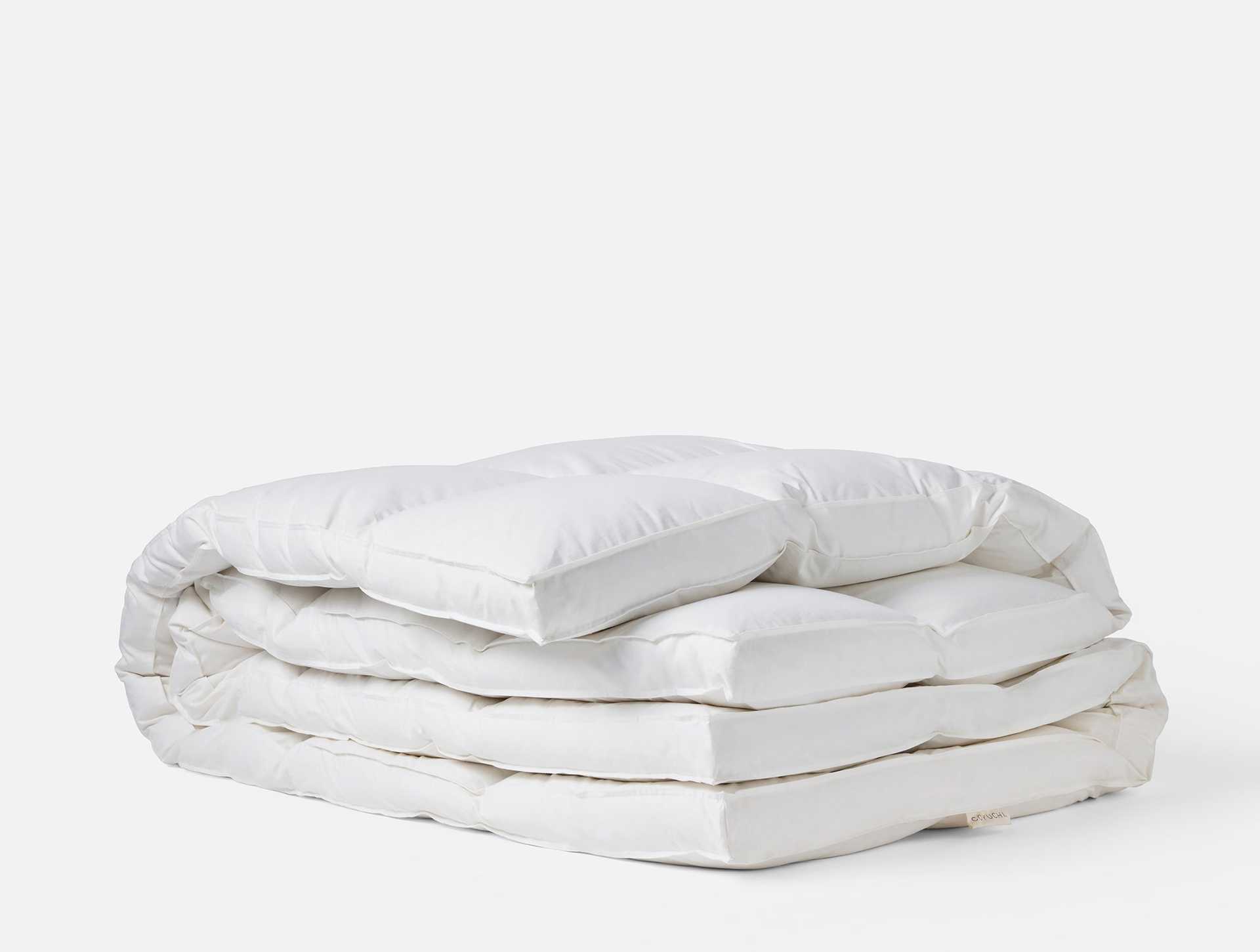
Down featherbed toppers typically feature a soft, breathable fill that enhances plushness and insulation. They are known for quick adjustments to sleeping surface feel, plus natural loft and warmth. When evaluating, consider fill power, baffle box construction to prevent clumping, and fabric shell that resists feather migration for consistent performance.
Key features to assess include temperature regulation, moisture management, and allergy considerations. Materials such as hypoallergenic down blends or alternative fills influence breathability and care requirements. A well-chosen topper can reduce motion transfer, improve spinal alignment, and support varied sleeping styles across back, side, and stomach positions.
For families and nursery use, appropriate toppers provide gentle support and a safer sleep surface. Evaluating durability and resilience matters, especially for frequent repositioning or long-term use. The Down Featherbed variation can offer a cozy, cradle-like feel while maintaining appropriate airflow and minimizing heat buildup during sleep.
In summary, mattress toppers serve as an accessible means to tailor comfort, resilience, and thermal performance. When considering the right option, factor in firmness preference, heat management, and compatibility with existing bedding such as pillows, sheets, and latex-based layers. This category highlights practical benefits and best-fit applications for varied sleeping needs.
 Bedding