A Practical Guide to Sleep Hygiene: Environment, Routines, and Real-World Tips
A thoughtful, evidence-grounded deep dive into how to craft a nightly ritual that respects our biology, honors our space, and fits into real life. This is not a dry manual but a seasoned, New Yorker–tinged meditation on how we live with sleep — and how sleep, in turn, lives within us.
Sleep is not a single act but a fragile ecosystem: the body’s temperature curves, the brain’s electrical symphonies, and the quiet choreography of our environment. The domain name good-bed evokes not a storefront but a foundation: a good bed, a good night, a good life. This guide unfurls the practical pillars of sleep hygiene — environment, routines, and everyday decisions — and pairs them with human stories from three eras, showing how sleep obsesses, sustains, and occasionally eludes us.
In the spirit of solid sleep science, we anchor recommendations in observable phenomena: circadian rhythms, melatonin rhythms, the interplay of light and dark, and the simple truth that small, consistent changes often yield meaningful rest. Our aim is not tick-box optimization but a humane program: a way to live with our nights, so mornings can finally feel honest about themselves.
Chapter I: The Bedroom as a Sleep-Environment Laboratory
Environment matters more than most people admit. It is the silent host of our nocturnal performance. The body, when allowed, seeks a quiet, dark, cool stage upon which to drift. The modern bedroom, if understood, becomes a laboratory for nocturnal optimization rather than a mere chamber of rest.
Key principles emerge from sleep science and observational wisdom:
- Light control: Dim cues in the evening, with blackout treatments for night owls or early sleepers who need darkness to maintain sleep continuity.
- Soundscape: Gentle, consistent noise levels, or the strategic use of white noise to mask abrupt sounds that disrupt sleep cycles.
- Temperature: A cool, breathable climate that honors the body's natural tendency to cool down as it falls asleep, typically around 60–67 degrees Fahrenheit (15–19 Celsius) for many adults.
- Bedding and mattress ergonomics: Comfort without encumbrance; the aim is not luxury for its own sake, but a surface that respects spinal alignment and pressure distribution without overreacting to micro-mensurations of the night.
In this architecture of rest, the bed is both furniture and function. The right mattress and pillow support the spine along its curves and reduce micro-awakenings. The covers should balance warmth and breathability so that you neither overheat nor shiver through the night. A well-tuned environment translates into fewer wakeful minutes, more coherent sleep stages, and a morning that feels like a return rather than a surprise.
Chapter II: The Art of a Wind-Down — Routines that Signal the Night
Rituals are not mere rituals; they are behavioral bridges from daily life to nighttime physiology. The brain learns patterns, and patterns regulate release of hormones that govern sleep onset. A reliable wind-down routine reduces cognitive arousal, tempers caffeine sensitivity, and primes the body for sleep.
Consider a practical structure you can adapt:
- Two hours before bed: finalize heavy meals and limit caffeine to decaf or no coffee beyond late afternoon. Alcohol, if used, should be kept modest and not consumed too close to bedtime, as it can fragment sleep architecture.
- One hour before bed: dim lights, switch to warmer lighting, and prepare your environment for rest. This is the moment to engage in low-stimulation activities such as light reading or journaling.
- 30 minutes before bed: a wind-down ritual that cues transition to silence and darkness. Gentle stretching or breathing exercises can lower heart rate and create a sense of spacious calm.
- Bedtime: consistent wake times, even on weekends, anchor circadian rhythm and provide predictable cues for sleep pressure accumulation.
From an editorial vantage, the wind-down becomes a narrative arc: a deliberate slowing of tempo, a soft exit from the day’s demands, and a private contractual promise to the body that rest is owed and welcome. The practical reality is that small, repeatable steps compound into better sleep outcomes and a more stable morning routine.
Chapter III: Daily Habits That Influence Sleep Quality
Sleep is not merely a nightly event; it is the page upon which daily choices inscribe themselves. What you drink, when you move, and how you manage stress through the day can ripple into the night. Below are habits supported by contemporary sleep science and age-old sensibilities:
- Consistent wake time: The anchor that stabilizes your circadian clock even if you went to bed late.
- Strategic caffeine timing: Avoid caffeine 6–8 hours before bedtime to preserve sleep onset latency and minimize awakenings.
- Light exposure during the day: Natural daylight exposure helps synchronize the circadian rhythm and supports daytime alertness.
- Mindful stress management: Techniques such as brief evening journaling, gratitude lists, or short mindfulness exercises can reduce rumination that disturbs sleep.
- Evening screen management: Reducing blue-light exposure and adopting night-mode settings can ease the transition to rest. A deliberate, pre-sleep shift away from stimulating content supports sleep onset.
The goal is not perfection but a cleaner, more predictable slate for the brain. The more you align daily behavior with circadian biology, the less you fight the night and the more the night yields its quiet, restorative potential.
Chapter IV: Sleep for Different Lives — Special Populations and Considerations
Sleep is a universal concern, but its patterns shift with age, work, and circumstance. Three voices from different time periods illuminate how we adapt sleep hygiene to real life:
The Classical Era Thinker (Ancient to Early Modern)
Even in antiquity, the notion of sleep as a cyclic, natural process existed alongside rituals and daily labor. Early writers recognized that external rhythms — light, food, work — shape rest. A practical lesson from this lineage is respect for natural cycles: aligning activity with daylight, building in mental decompression after intense study or labor, and allowing space for nap-like rest during the day in appropriate climates. Though not anchored in modern physiology, these traditions point to a wisdom of pacing that modern life often forgets.
The Industrial Age Practitioner (19th–20th Century)
The rise of factory schedules and shift work disrupted traditional sleep, forcing people to structure rest within constrained hours. Sleep hygiene then meant crafting a personal sanctuary: a quiet room, predictable commitments, and a disciplined wind-down that could shelter the sleeper from the day’s relentless tempo. The essence endures: structure and environment can compensate for irregular hours, but the body’s need for rest remains constant.
The Contemporary Sleep Scientist (Late 20th Century to Present)
Modern sleep science foregrounds circadian biology and the homeostatic sleep drive. It emphasizes the environment’s role in sleep onset, the importance of consistent routines, and the subtle but meaningful effects of caffeine, light, and temperature. This lineage provides us with actionable levers: blackouts for nocturnal light exposure, cooling strategies for temperature regulation, and pragmatic wind-down rituals that can be integrated into busy lives without sacrificing other values.
Chapter V: A Practical Toolkit for Better Sleep Tonight
What follows is a concise, portable toolkit you can apply immediately, with optional deeper dives for those who wish to explore more fully:
- Bedroom setup: Invest in a bed you can trust; choose breathable sheets and a comfort layer that matches your climate and sleep preferences. Consider bed accessories that support ergonomics and hygiene while preserving comfort.
- Light strategy: In the evening, switch to dim, warm lighting; during the day, maximize daylight exposure. Consider blackout curtains in bedrooms where external light disrupts sleep.
- Sound balance: Use consistent, non-disruptive soundscapes if your surroundings are noisy. If you prefer silence, adopt sound-dampening measures and comfortable earplugs if needed.
- Temperature control: Use breathable bedding and consider a cooling or warming layer to balance temperature swings through the night.
- Routine design: Create a calendar-friendly wind-down that you can repeat, and embrace a fixed wake time to anchor your rhythm.
In practice, these tactics form a US literary truth: good sleep happens when intention meets environment, and the mind yields to a nightly cadence crafted with care.
Chapter VI: A Small Selection of Sleep-Aiding Objects (With Careful Curation)
Though the guide remains non-commercial and informational, there is value in acknowledging tools that can support better sleep. We present a small, curated selection of practical items to consider, described with attention to how they contribute to sleep hygiene, without becoming shopping-heavy.
The Dog Bed as a Metaphor for Restful Space
Even in a human sleep guide, the idea of a dedicated, comfortable space matters. A well-designed resting surface for your four-legged companion mirrors our own needs for ergonomics, support, and easy maintenance. The Dog Bed, with memory foam, foam bolsters, and a washable cover, becomes a reminder that the discipline of care is universal—even in the smallest corners of the sleep environment.
Product highlight: The Dog Bed — memory foam interior; foam bolsters; washable cover. Designed around dog behavior to provide supportive naps and easy maintenance.
Note: This is an illustrative parallel, not a featured shopping recommendation.
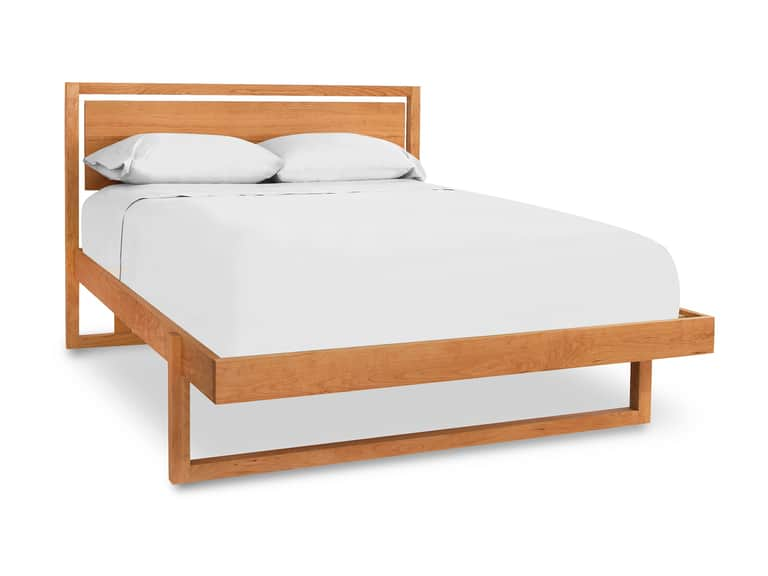
Pendant Bed — A Model for Timeless Craft
A well-built bed frame anchors the room’s geometry. The Pendant Bed, with solid cherry wood and traditional joinery, embodies a philosophy of sleep furniture designed to endure. It reminds us that the space we inhabit for sleep is both functional and aesthetic, a place where rest and design meet.
Product highlight: Pendant Bed — solid sustainably harvested cherry wood; traditional joinery; customizable size; oil finish. Crafted in Vermont.
Note: This is a descriptive reference, not an endorsement.
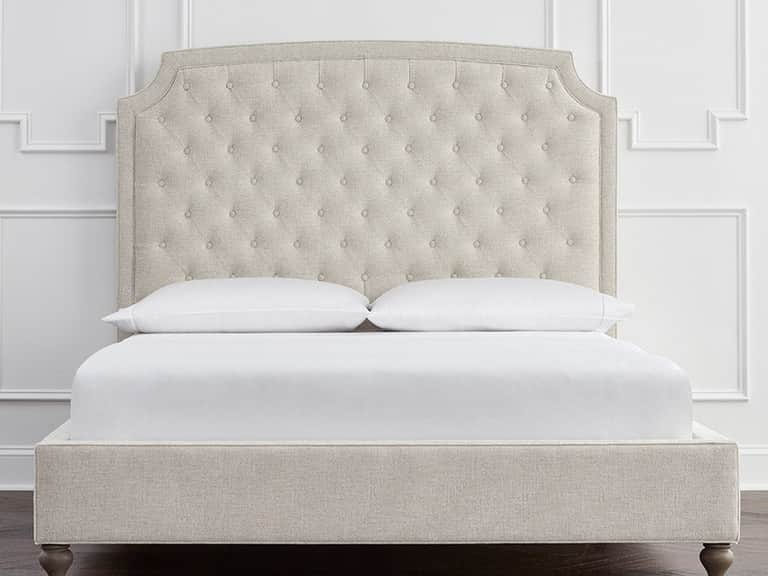
Ashville Upholstered Bed — Ergonomic Comfort with Style
A bed frame that balances durability and ease of care can transform nightly rituals. The Ashville Upholstered Bed offers Maplewood framing with stain-resistant upholstery, a reminder that furnishings should support both body and mood.
Product highlight: Ashville Upholstered Bed — Maplewood frame; stain-resistant polyurethane upholstery; made in the USA.
Brace for Simplicity: The Right Pillow and Bedding Material
Pillows and sheets, though small, are the daily rituals of a good night. Wool-filled or merino options can regulate temperature, while organic cotton sheets in percale or sateen finishes offer breathability and feel. The Sleep and Beyond collection provides a concrete example of how fabric choice and fill affect comfort and climate control.
Product highlight: Sleep and Beyond organic cotton options (e.g., 100% Organic Cotton Percale Sheet Set; Organic Cotton Sateen Sheet Set).
Images referenced in this section are provided for illustrative purposes. If you wish to view product visuals, please refer to the catalog or product pages corresponding to each item above.
Chapter VII: A Brief Note on Accessibility and Inclusivity in Sleep Hygiene
Sleep science must serve diverse bodies, a spectrum of ages and conditions. Accessibility in design means high-contrast text, readable typography, and navigable interfaces. It also means offering practical guidance that respects different cultures, climates, and living situations. Whether you live in a city apartment or a suburban home, your sleep hygiene toolkit should be adaptable, portable, and humane.
Ultimately, the aim is not a rigid regimen but a flexible philosophy: to honor the body's needs, to shape environments that support nocturnal restoration, and to cultivate routines that bring calm without rigidity. In the quiet algebra of the night, simplicity is the most faithful ally.
Conclusion: The Good Bed Blueprint for Better Sleep
Good sleep begins with intention, a quiet and precise shaping of the environment, and a nighttime cadence that respects biology. The good-bed concept, in its educational, non-commercial spirit, offers a blueprint rather than a prescription: a map to navigate the many challenges of sleep in modern life. By weaving together environment, routines, and daily habits, we create a foundation on which a healthier life can be built — one night, at a time.
As you embark on this journey, remember: sleep is not an obstacle to be conquered but a resource to be tended. The night will return, and with it, your best self — a person who wakes with intention, and perhaps, finally, a morning that feels like a kind remake of yesterday.
Sidebar: Quick Reference — The Sleep Hygiene Checklist
- Dim the evening lighting; use blackout options if needed.
- Keep a cool, comfortable room temperature and breathable bedding.
- Wind down with a predictable routine 30–60 minutes before bed.
- Limit caffeine and alcohol close to bedtime; avoid late-night stimulants.
- Maintain a consistent wake time, even on weekends.
- Expose yourself to natural light during the day to regulate circadian rhythms.
- Create a quiet, distraction-free sleep environment; address unwanted sounds with sound dampening or white noise if necessary.