Mattress Materials & Construction
Naturepedic vs. Vispring: A Guide to Mattress Materials and Construction
A mattress is a quiet piece of engineering: layers, fibers, springs, and carefully chosen tensions asked to perform their work while we are least able to supervise them. Naturepedic and Vispring invite comparison, but not on a single axis. Their designs reflect different material priorities and construction traditions, and the better choice depends less on a name than on what a sleeper needs from the bed.
Published October 31, 2026
There is a particular optimism in shopping for a mattress. One imagines that the right arrangement of springs and padding might settle an argument with the body: the stiff shoulder, the restless hip, the inexplicable warmth at three in the morning. Yet a mattress cannot promise a universal solution. It can only offer a set of materials and a pattern of support, which a particular person, sleeping in a particular position, may find agreeable.
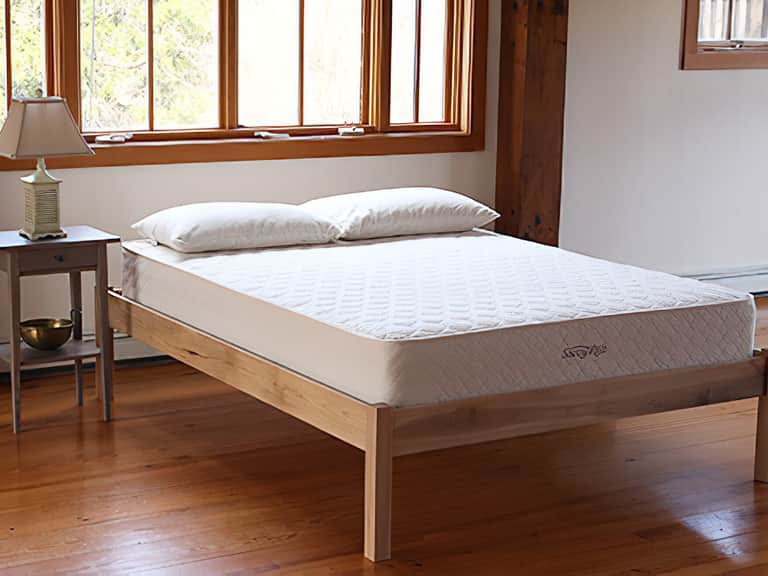
That is why comparisons between Naturepedic and Vispring are most useful when they move beyond brand shorthand. Naturepedic is strongly associated with organic materials and an effort to make material choices legible to consumers. Vispring is known for a traditional, spring-centered approach to mattress construction, often emphasizing pocket springs and natural upholstery materials. Those broad descriptions offer a starting point, not a substitute for checking an individual model’s current specifications. Each maker’s range may contain meaningful differences in firmness, layering, dimensions, and construction.
The practical question is not which brand has the more impressive vocabulary. It is how a mattress carries weight, relieves pressure, manages warmth, and feels after a full night rather than a brief showroom visit. A useful comparison begins with the structure beneath the surface.
Two approaches, and the limits of a label
Brand identities can make a complicated purchase feel simpler. “Organic” suggests a clear material story; “pocket spring” suggests responsive, individualized support. But neither phrase tells you exactly how a finished mattress will feel. Natural fibers vary in density and arrangement. Springs vary in number, gauge, height, zoning, and how they are paired with the comfort layers above them. Even within a single product line, a change in firmness or model generation can alter the experience.
Naturepedic’s name often draws attention to material sourcing, organic components, and the disclosure of what goes into a mattress. That interest may appeal to people who want to reduce uncertainty about particular materials or who prefer natural and certified inputs. The details still matter: look for the specific materials used in the model under consideration, the location of those materials in the mattress, and the scope of any certification. A label can establish a standard for a defined material or process; it does not, by itself, establish that a mattress is comfortable or right for a particular sleeper.
Vispring’s reputation is closely connected to spring construction and traditional mattress making. In models built around pocket springs, individual springs sit in fabric pockets and respond separately to pressure, rather than acting as one continuous linked unit. This can contribute to a more localized response, although the overall feel also depends on spring specifications, mattress tension, upholstery, and the foundation beneath it. A spring system is not a complete description of a bed: the layers above it shape the first impression, while the support core helps determine how the body is carried over time.
It is tempting to frame the choice as natural materials versus springs. That is a false opposition. A mattress can combine springs with natural fibers, and a mattress built with an emphasis on material sourcing still needs a support system. The useful comparison is model to model, layer to layer.
Start with the support system
The support core is the mattress’s working structure. In an innerspring design, it may be made from interconnected coils or individually pocketed springs. In other mattresses, the principal support may come from latex, foam, or a combination of materials. The core’s job is not simply to feel firm. It must distribute a sleeper’s weight in a way that allows the body to settle without sagging excessively or creating uncomfortable pressure.
When examining a Naturepedic or Vispring model, find out what kind of support system it uses rather than assuming every mattress from the brand follows the same construction. If the model includes springs, ask whether the coils are pocketed or linked, whether the manufacturer describes different zones, and how the spring unit is paired with the comfort layers. If it uses latex or foam in the support structure, identify the material and its placement. These facts help explain performance more effectively than a general claim of “supportive.”
Zone designs deserve particular care in interpretation. A manufacturer may vary spring tension or other components across parts of the mattress to respond differently beneath the shoulders, waist, or hips. That arrangement may suit some bodies and sleeping positions better than others. Zones are not automatically beneficial, and their effect can depend on a sleeper’s height, build, position, and where they lie on the bed. The presence of a technical feature is not the same as proof that it will improve an individual’s rest.
The bed base matters, too. A mattress designed for a rigid foundation may behave differently on a flexible platform or slatted frame. Check the manufacturer’s support requirements, including the spacing of slats and any restrictions on adjustable bases. An unsuitable foundation can affect comfort and may also affect warranty coverage. The mattress is not a solitary object; it is part of a system.
Comfort layers: the first impression and the lasting feel
The comfort layers sit above the support core and largely determine what happens when a sleeper first lies down. They may include natural fibers, latex, foam, wool, cotton, or other materials. Some compress readily, producing a cushioned or enveloping sensation. Others feel more buoyant, resilient, or distinctly firm. The cover and quilting also contribute to the first contact, though they cannot tell the whole story about the mattress beneath them.
A spring mattress can feel plush, firm, or somewhere between, depending on how its comfort materials are arranged. Likewise, the use of organic or natural materials does not reliably predict whether a surface will feel soft or hard. The relevant questions are concrete: How thick are the comfort layers? What are they made from? How do they respond to pressure? Do they allow the body to settle gradually, or do they push back quickly? If the maker provides layer diagrams or specifications, use them to compare like with like.
Pressure relief is especially important at the shoulders and hips, which tend to bear more weight for side sleepers. A mattress that is too firm for a person’s shape may leave those areas compressed. One that is too yielding may allow the trunk or hips to sink enough to disturb alignment. Back sleepers often need a different balance, while stomach sleepers may find that excessive softness lets the midsection dip. These are tendencies rather than rules. Body proportions, mobility, pain history, and personal preference complicate any neat chart.
There is also the question of motion. A pocket-spring system may reduce the transfer of movement compared with some linked-coil systems, but its actual performance depends on construction and on the comfort materials above it. Foam and latex layers can alter how movement travels through the mattress. Couples should test a bed together where possible, and consider whether a partner’s movements interrupt sleep—not merely whether the mattress seems quiet in an empty showroom.
Materials, certifications, and what they can tell you
For shoppers drawn to Naturepedic, the material story may be a central part of the decision. “Organic,” however, should be treated as a specific claim to investigate rather than a general guarantee. Ask which components are certified, what standard applies, and whether the claim covers the entire mattress or only certain fibers. A mattress contains several elements—cover, batting, adhesives or joining methods, comfort layers, and support structure—and a certification may apply to one component rather than all of them.
The same habit of close reading helps when considering Vispring. Natural upholstery materials may be part of a model’s construction, but the precise combination and quantity are model-dependent. A description of wool, cotton, or other fibers does not establish how warm the mattress will feel, how quickly it will recover, or how long it will retain its original shape. Construction details and the maker’s care guidance are more useful than assumptions attached to a material’s name.
Certifications can help establish that a product or component has been assessed against a stated standard. They do not measure comfort, durability in every household, or suitability for every sleeper. Nor are all certifications interchangeable: they may address different questions, such as the origin of a fiber, chemical emissions, or manufacturing practices. Read the scope and issuer, and be wary of broad marketing language that does not identify what was tested.
For people with allergies, asthma, chemical sensitivities, or other health concerns, material selection may be especially important. Still, a mattress purchase is not a diagnosis or a treatment. If symptoms are significant or persistent, a qualified health professional is a better source of individual advice than a product description. A washable protector, regular ventilation, and careful attention to cleaning instructions may also form part of a bedroom plan, but they do not replace clinical guidance.
Temperature and the sensation of sleeping cool
“Cooling” is one of the most appealing promises in bedding and one of the hardest to reduce to a single material. Sleep temperature is affected by the room, bedding, sleepwear, humidity, the sleeper’s physiology, and whether a partner shares the bed. A mattress can influence heat and moisture at the sleep surface, but it does not control the whole bedroom climate.
Materials that breathe or manage moisture may feel different from dense, close-conforming layers. Yet a product name, fiber label, or open construction does not guarantee that a hot sleeper will be comfortable. The amount of quilting, the fabric covering the mattress, and the layers directly beneath it can all change the experience. Compare the actual design and, when possible, test it under the bedding you normally use.
People who sleep warm may want to evaluate a mattress over more than a few minutes. Ask about the sleep trial, return conditions, delivery charges, and whether the trial has a minimum period before return. A longer in-home test can reveal whether the bed feels noticeably warmer once the body has been in one place for hours. Meanwhile, breathable sheets and a lighter comforter may help address heat without changing the mattress itself.
Firmness is a description, not a standard
Firmness ratings sound precise, but they are not universal measurements. One company’s medium may feel firmer than another’s; the same mattress can feel different to two people depending on body weight and shape. A firm surface may suit someone who likes a steadier feel, yet create pressure for a lighter side sleeper. A softer surface may cushion one person and feel unstable to another.
When comparing a Naturepedic mattress with a Vispring mattress, treat each firmness label as an invitation to test rather than a verdict. Lie in your usual sleeping position for several minutes. Notice whether your hips sink, whether your shoulder feels pinched, and whether your spine seems comfortably supported. If you share the bed, repeat the process together. A brief sit on the edge or a few seconds on your back is not enough to judge a mattress intended for a third of your life.
Consider the full arrangement, not the bare mattress alone. A topper can soften a surface or add cushioning, but it may also change pressure relief and temperature. Sheets, duvet weight, pillow height, and the underlying foundation affect the experience. When trying to identify what is wrong with an existing bed, changing several components at once makes it harder to tell which adjustment helped.
A practical comparison checklist
Before choosing between models, gather their specifications in one place. Product pages can use familiar words for quite different constructions, and details that seem minor in a description may matter once the mattress is in the room. A careful comparison should include:
- Support core: Identify the materials, spring type if present, and any stated zoning or support arrangement.
- Comfort layers: Note each material, its position, and whether the manufacturer lists thickness or density.
- Firmness and feel: Compare the brand’s own description, but test the mattress in your normal sleep position where possible.
- Temperature: Look at the full layer design and consider your room, bedding, and tendency to sleep warm.
- Certifications: Confirm which components are covered and what the certification actually evaluates.
- Foundation requirements: Check compatibility with your frame, slat spacing, platform, or adjustable base.
- Trial and returns: Read the complete policy, including trial length, minimum use period, fees, pickup, and refund terms.
- Warranty and care: Review what counts as a defect, what maintenance is expected, and what may void coverage.
- Size and logistics: Measure the frame, bedroom access, stairways, and delivery route before ordering.
Warranty language is worth reading before a purchase, not after a problem appears. A warranty generally covers specified manufacturing defects; it is not the same as a comfort guarantee. Return policies may have conditions of their own, and those conditions can vary by seller as well as by mattress. Save the order documents and care instructions, and keep a record of the mattress’s condition if you need to make a claim.
Which approach may suit which sleeper?
Naturepedic may be a natural place to begin for someone who prioritizes clearly specified materials, organic components, or particular certification standards. That interest should be paired with a close look at comfort and construction: the materials that matter to a shopper do not automatically produce the right firmness or pressure relief. The particular model must satisfy both the material questions and the ordinary physical ones.
Vispring may appeal to a shopper interested in a spring-centered construction, a responsive feel, or the combination of pocket springs with traditional upholstery materials. Here, too, the brand’s general identity is only a map. Spring tension, comfort layers, model firmness, and the recommended base can produce quite different results. A shopper should investigate the exact model rather than assuming every Vispring mattress feels the same.
For either brand, sleeping position can help narrow the field, but it should not dictate the decision. Side sleepers often need room for shoulders and hips to settle; back sleepers may prefer a more even, buoyant support; stomach sleepers frequently look for a surface that limits excessive sinking. People who change positions during the night need a mattress that accommodates more than one posture. If chronic pain or a medical condition is involved, an individual’s experience may not follow general advice.
Budget also deserves a place in the comparison. The price of a mattress is only one part of its cost: delivery, foundation, removal of an old bed, taxes, and the practical consequences of a difficult return can add up. A higher price may reflect materials, construction, labor, distribution, or branding, but price alone does not guarantee better sleep. The value lies in a mattress that meets your requirements and remains comfortable through ordinary use.
A quieter way to make the decision
Mattress shopping can become a contest of adjectives: cloudlike, restorative, artisanal, cooling, supportive. The words are not useless, but they are poor substitutes for particulars. Ask what lies inside, how the layers are arranged, what the maker says about the foundation, and what happens if the mattress does not suit you. Then ask your own body the less glamorous questions: Do you wake with pressure at the shoulder? Do you feel stable when turning? Does the bed become too warm? Are you rested?
Naturepedic and Vispring represent different emphases, not a simple hierarchy. One comparison may center on material transparency and certifications; another may turn on spring design and upholstery. In both cases, the model-level construction is decisive. The most useful mattress is not necessarily the one with the most elaborate list of ingredients or the most intricate support system. It is the one whose materials, feel, and practical terms fit the person who will sleep on it.
Make a short list of non-negotiables, compare the exact specifications, and test the finalists under realistic conditions. A mattress is a long-term household decision, but it need not be mystical. The best choice is usually the one that makes the least noise in the mind after the lights go out.
The takeaway
When comparing Naturepedic and Vispring, resist choosing by reputation alone. Examine the support system, comfort layers, material disclosures, firmness, temperature characteristics, foundation requirements, and trial and warranty terms for the specific mattresses on your list. Consider your usual sleeping position and your own responses to pressure and warmth. Brand identity can help you decide where to begin; careful model-by-model comparison is what helps you decide where to sleep.