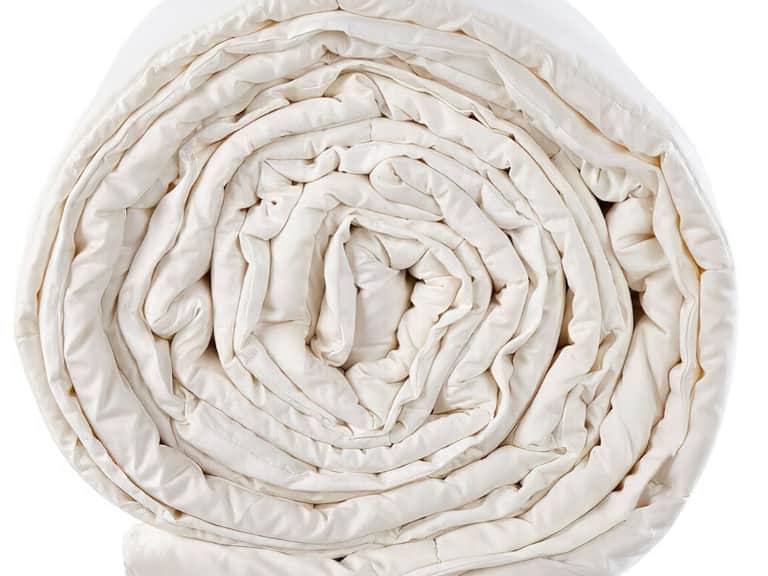
Comforters are versatile bedding essentials designed to provide warmth and insulation while maintaining a comfortable sleep environment. They come in various weights, fillings, and materials to accommodate seasonal needs and individual preferences. Understanding factors such as warmth rating, loft, and fabric durability helps guide appropriate choices for different climates and bedrooms. Keywords: bedding, pillows, sheets, duvet covers, organic mattresses.
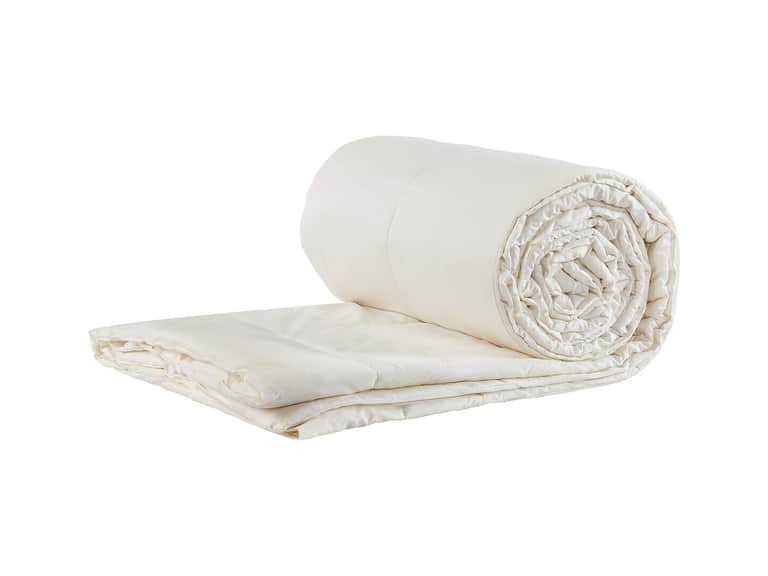
In the comforter category, the Sleep and Beyond myComforter exemplifies a balanced warmth profile with thoughtful weight and breathable construction. Its fill distribution and stitching patterns contribute to even heat retention, reducing cold spots. This makes it suitable for a range of sleeper types, from those who prefer moderate warmth to cool sleepers seeking reliable insulation.
Denali Arctic- Best for: Cold Sleepers & Very Cool Bedrooms highlights a high-fill, high-loft option engineered for frigid environments. The design emphasizes exceptional loft and thermal efficiency, helping to trap heat close to the body without excessive weight. This choice suits bedrooms with low ambient temperatures or individuals needing consistent warmth through the night.
Materials and care details influence long-term comfort and performance. Many comforters use quilted shells, hypoallergenic or breathable fabrics, and safe, durable fillings. Proper care—gentle washing, adequate drying, and avoiding overstuffing—preserves loft, minimizes fiber migration, and maintains a comfortable drape that complements duvet covers and sheets.
Overall, comforters in this category prioritize warmth, moisture management, and fabric resilience to support restful sleep. By evaluating warmth ratings, fill types, and fabric finishes, consumers can select options aligned with bedroom temperatures, bedding ecosystems, and personal comfort preferences, including compatibility with organic mattresses and standard pillow configurations.
 Bedding