Daybeds serve as versatile seating and sleeping solutions, combining compact design with comfortable support for resting, lounging, or accommodating guests. They typically feature a mattress platform and a frame that blends with various interior styles, making them suitable for living rooms, guest rooms, and nurseries. Material choices often influence durability, comfort, and ease of maintenance.
Key features to consider in daybeds include frame construction, mattress type, and trundle or storage options. Durable materials such as solid wood or metal frames provide stability, while medium-firm or memory foam mattresses balance support with pressure relief. Some models incorporate pull-out trundles or additional cushions to transform seating into a full-height bed.
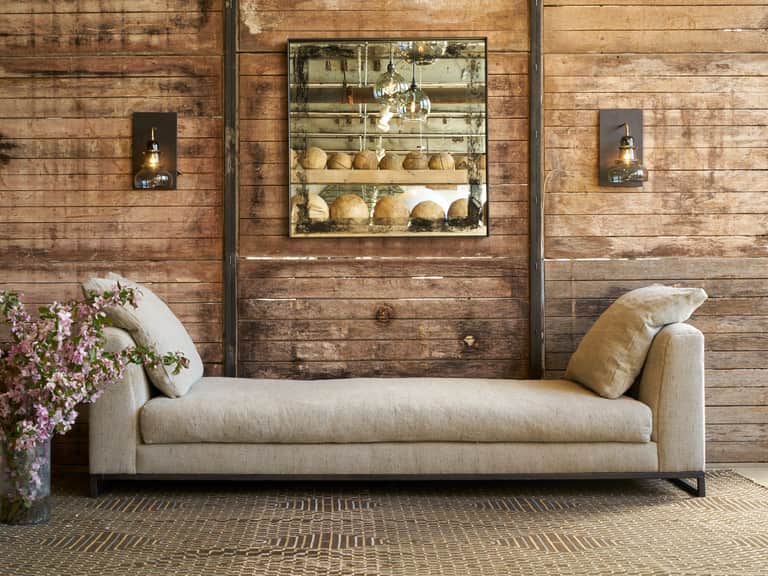
The Cisco Home Richard Daybed exemplifies a blend of functional design and timeless aesthetics. It offers a sturdy frame, a comfortable mattress foundation, and adaptable seating that can convert into a full bed for overnight guests. Its clean lines and neutral finish make it compatible with diverse bedding schemes and room layouts.
When evaluating daybeds for nursery or guest room use, consider hypoallergenic mattress options, easy-to-clean fabrics, and compatibility with standard bedding sizes. Since daybeds often double as seating by day and a sleeping surface by night, selecting breathable fabrics and protective covers can extend product longevity.
In a broader bedding context, daybeds relate closely to pillows, sheets, and latex mattresses, establishing a cohesive sleep environment. Understanding how frame height, mattress thickness, and upholstery interact helps optimize comfort for lounging and overnight use alike, while maintaining a simple, well-organized appearance in the room.
 Furniture