Latex as a material in bedding offers natural elasticity, support, and breathability, making it a durable choice for sleep surfaces. Its inherent responsiveness adapts to body contours, helping maintain spinal alignment while relieving pressure points. In this category, latex products are examined for their firmness options, certifications, and long-term performance in bedding systems.
Understanding the composition of latex pillows and mattresses reveals benefits such as hypoallergenic properties, resistance to dust mites, and temperature regulation. For side sleepers, latex maintains shape without excessive compression, supporting shoulder and neck alignment. This educational overview highlights how latex interacts with sleep posture and overall comfort.
Key features to evaluate include density, cell structure, and manufacturing methods, such as natural or blended latex. These factors influence contouring, bounce, and durability. The category emphasizes how different latex formulations affect firmness levels, motion isolation, and cooling, helping users select suitable bedding components.
Relevant product considerations extend to compatibility with organic mattresses and bedding accessories like sheets and duvet covers. By examining the interplay between latex cores and pillow constructions, viewers gain insight into comfort layering, edge support, and long-term resilience. This informs decisions about creating a balanced sleep environment.
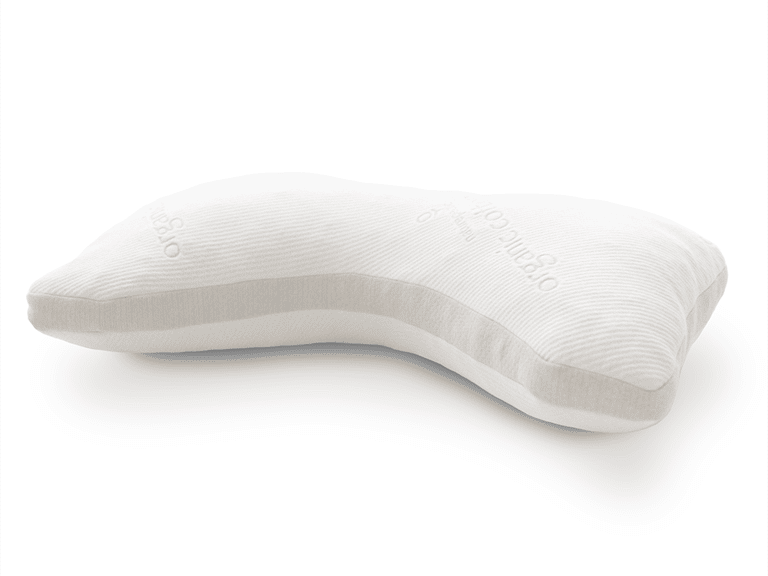
Among notable items in this category is the Naturepedic Organic Side Sleeper Pillow, which features latex-like responsiveness with supportive geometry tailored for side sleeping. Its design demonstrates how ergonomic shaping, neck support, and breathable materials contribute to restful sleep, alongside broader bedding relevance for pillows, sheets, and organic mattress ecosystems.
 Bedding